
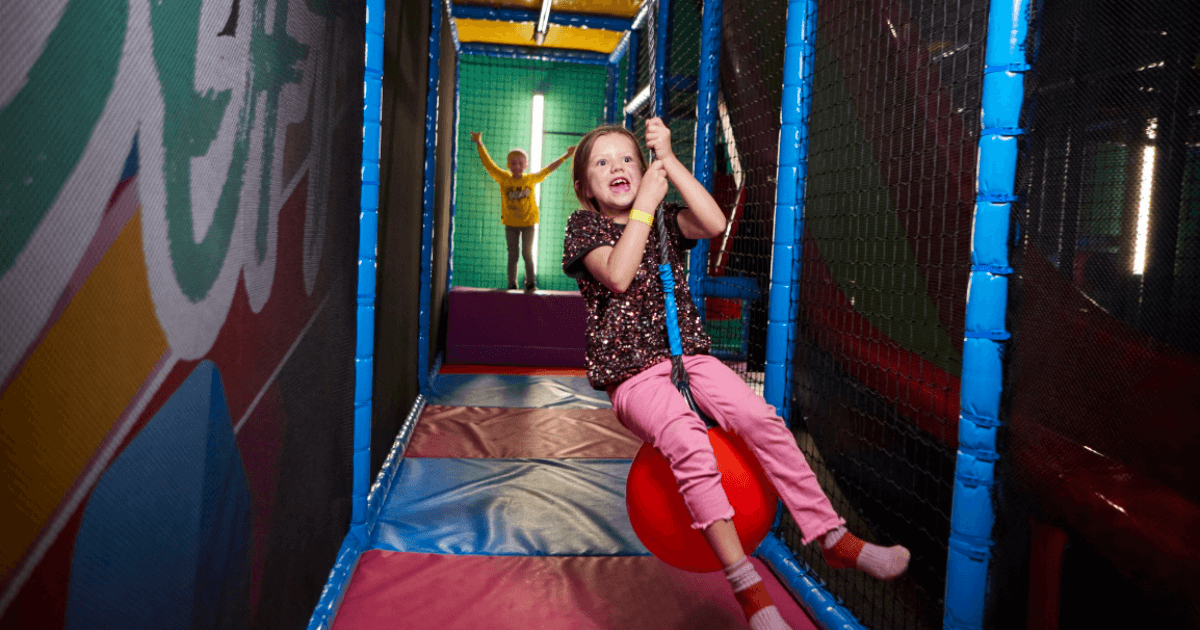
Play shapes how toddlers learn about their bodies, their space, and other people. A soft play step and slide is a simple setup, yet it supports many early skills without feeling like “learning time”. Parents often compare it to a baby bouncy castle, but the slower pace and padded surfaces suit toddlers who are still finding their balance. With a little creativity, this one piece of equipment can keep a child curious, active, and happily occupied indoors or out.
- Climb and Count
Climbing the steps is an obvious activity, yet it can become richer with small prompts. Count each step out loud as your toddler climbs. Some children start repeating the numbers, others just enjoy the rhythm. This helps kids learn numbers early on while also making their legs and core stronger. Keep the pace slow so it stays fun and not like a job.
- Slide and Stop
Sliding down teaches cause and effect in a very physical way. Encourage your toddler to notice where they stop and why. A cushion at the bottom changes the ending, as does a bare mat. This type of activity works well alongside products like a soft baby bouncy castle, where movement stays gentle and predictable, helping toddlers feel confident as they experiment.
- Up, Down, and Around
Make a small obstacle course out of the step and slide. Go up, slide down, and then walk back to the beginning. Repetition helps toddlers learn simple sequences. It also helps kids learn to listen by making them follow short directions. Keep language clear and calm, and repeat the pattern a few times before moving on.
- Colour Spotting on the Steps
Use the coloured panels on the steps or slide for simple colour games. Before sliding, have your toddler touch the red step or sit on the blue part. This keeps the activity light while introducing colour names. Parents who use an indoor baby bouncy castle often do similar games to break up active play with short thinking moments.
- Rolling Toys Down the Slide
Not every activity has to involve climbing. Sit with your toddler and roll soft balls or cars down the slide. Watch which ones go faster or slower. Toddlers start noticing differences without needing an explanation. This kind of shared play also builds attention and turn-taking, which matters just as much as movement.
- Safe Risk and Confidence Building
Toddlers learn to trust their bodies by doing things that are a little hard. Let them climb, stop, and choose when to slide. Stay close, but don’t rush them. A lot of parents choose a bouncy castle for babies for the same reasons: it lets them move around without hitting hard edges. When kids feel supported instead of pushed, their confidence grows.
- Pretend Play on the Platform
The top of the steps can become a bus, a shop, or a lookout. Pretend play often appears naturally once toddlers feel secure in their environment. A soft play step and slide offers a defined space that feels manageable. This mirrors how children use a toddler bouncy castle UK during group play, creating stories around simple structures.
- Crawling Under and Around
Use cushions or play tunnels near the slide to add crawling and ducking. Toddlers practise spatial awareness as they judge where their body fits. Crawling also strengthens shoulders and arms, which supports later skills like drawing and self-feeding.
- Garden Play on Mild Days
On a dry day, move the step and slide outside onto grass or a mat. Fresh air often changes how toddlers play, even with familiar equipment. Outdoor use feels similar to a garden baby bouncy castle, but with easier supervision and less setup. Always check the surface is flat and shaded.
- Calm End-of-Play Routine
After active play, use the slide for a gentle wind-down. Let your toddler sit at the top and slide slowly while you talk or sing softly. This helps them shift from high-energy to calm. Ending play in a predictable way reduces frustration when it’s time to pack away.
Final Thought
A soft play step and slide proves that learning does not need flashing lights or loud sounds. Through climbing, sliding, pretending, and resting, toddlers pick up physical control, early thinking skills, and confidence at their own pace. Small adjustments keep the experience fresh, while the familiar structure gives children a sense of safety. Over time, these simple moments add up, shaping how toddlers explore the world around them.


More Stories
Unlock the Hidden Gems: How to Shop Online Like a Pro Without Breaking the Bank
Top 10 Must-Visit Online Shopping Sites for Serious Shoppers
Unlock the Ultimate Savings: 10 Hidden Gems in Online Shopping Sites You Need to Know