
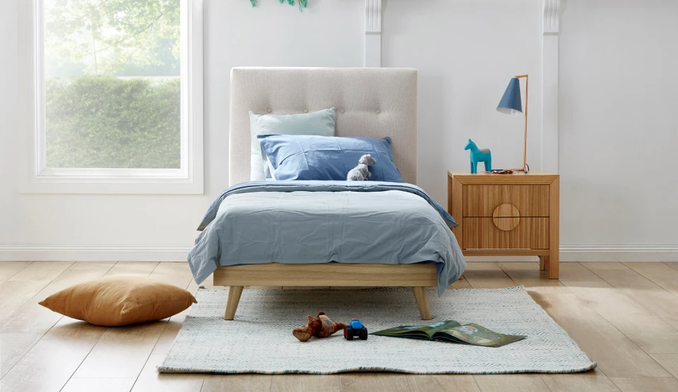
Creating a comfortable, safe, and functional bedroom is an important part of supporting your child’s growth and development. A child’s bedroom is more than just a place to sleep. It can also be a space where they read, play, study, relax, and express their personality. At the centre of every well-designed children’s room is a quality kids bed that provides a comfortable place to rest and recharge.
Choosing the right kids bed involves more than selecting a design that looks good. Parents also need to consider the bed’s size, construction, durability, safety features, and suitability for the room. The right choice can help create a bedroom that meets your child’s needs today while remaining practical as they grow.
Whether you are preparing a toddler’s first bedroom, upgrading a bed for a school-aged child, or creating a more mature space for a teenager, careful planning can help you make a confident decision. This guide covers the key factors to consider when choosing a bed for a growing child.
Why Choosing the Right Kids Bed Matters
A good night’s sleep plays an important role in a child’s daily routine and overall wellbeing. A comfortable bedroom can make it easier for children to settle down at night, enjoy consistent sleep habits, and wake up feeling refreshed for the day ahead.
That is why selecting the right kids bed is about more than matching the room’s colours or décor. A suitable bed can provide several practical benefits, including:
- Comfortable support for growing children
- A more relaxing sleep environment
- Improved bedroom organisation
- Better use of the available floor space
- Enhanced safety and stability
- Long-term value for the family
A carefully chosen bed may also support a more consistent bedtime routine. When children have a comfortable and inviting place to sleep, their bedroom can feel like a calm personal space rather than simply another room in the home.
Consider Your Child’s Age and Changing Needs
One of the first things to consider is your child’s age. Younger children may need a bed that is lower to the floor and easy to access. Parents may also prefer a design with rounded edges or a simple frame that reduces unnecessary obstacles around the sleeping area.
As children grow, their needs can change. A school-aged child may require more storage for clothing, books, toys, and school supplies. A teenager may prefer a bed with a more mature design that complements a desk, wardrobe, and other bedroom furniture.
It can be useful to think beyond your child’s immediate needs. A highly themed bed may appeal to a young child, but a more versatile design could remain suitable for longer. Neutral colours, simple shapes, and timeless materials can make it easier to update the bedroom without replacing the main furniture.
Choose the Right Bed Size
Bed size is one of the most important decisions when furnishing a child’s bedroom. The bed should give your child enough room to sleep comfortably without overwhelming the available floor space.
A single bed is a popular option for children because it offers a practical balance between comfort and space. It can work well in smaller bedrooms while leaving room for storage furniture, a play area, or a study desk. Depending on the child’s age, bedroom size, and long-term needs, families may also consider larger options.
Before buying a kids bed, measure the room carefully. Record the length and width of the available area, and check the position of doors, windows, wardrobes, power points, and heating or cooling fixtures. Remember to account for the bed frame rather than relying only on the mattress dimensions, as the complete frame may require additional space.
Plan the Bedroom Layout
A thoughtful layout can make a children’s bedroom feel more spacious, organised, and practical. Avoid placing the bed in a position that blocks the bedroom door, wardrobe, windows, or frequently used storage areas.
Allow enough space for:
- Comfortable movement around the bed
- Opening doors, wardrobes, and drawers
- Bedside tables and reading lamps
- Toy boxes or storage furniture
- A study desk and chair
- A safe and uncluttered play area
It can help to mark the proposed bed dimensions on the floor using removable tape. This provides a clearer idea of how much room the bed will occupy and whether the remaining space will be suitable for your child’s daily activities.
Make Safety a Priority
Safety should always be a priority when choosing children’s bedroom furniture, particularly for younger children. The bed should feel stable on the floor and should not wobble during normal use. Its components should fit together securely, and the frame should be assembled according to the supplied instructions.
Useful features to consider include:
- Sturdy and stable construction
- Smooth edges and corners
- Secure fittings and assembly components
- Reliable mattress support
- Durable materials suitable for regular use
- Guardrails where required for an elevated design
Parents should also consider the area surrounding the bed. Keep frequently used belongings within easy reach and avoid placing unstable furniture nearby. Cords from lamps, blinds, and electronic devices should be arranged carefully to maintain a tidy sleeping area.
After installation, check the bed regularly. Tightening fittings when necessary and inspecting the frame for signs of movement or damage can help keep it dependable over time.
Look for Durable Materials and Construction
Children’s furniture often experiences frequent use. A bed may be used not only for sleeping but also for reading, relaxing, talking with friends, or spending time with family. Choosing a well-constructed frame can provide better long-term value and reduce the need for premature replacement.
Common bed frame materials include:
- Solid timber: A popular option that can offer a warm and timeless appearance.
- Engineered wood: A versatile material available in a variety of colours and finishes.
- Metal: Often used to create practical frames with a clean and simple look.
- Upholstered designs: These can add softness, texture, and a comfortable appearance to the room.
Each material can create a different look and feel. The best choice will depend on the bedroom style, your child’s age, the expected level of use, and the amount of maintenance you are comfortable with.
Before purchasing, inspect the frame’s overall construction. Look at the legs, joins, support system, panels, and finish. A durable bed should feel balanced and secure when correctly assembled.
Consider Storage and Bedroom Organisation
Storage is often a major concern in children’s bedrooms. Toys, books, shoes, bedding, clothing, and school supplies can quickly make a room feel crowded. Choosing the right bed can support a more organised layout.
If the bed has usable space underneath, storage containers may help keep less frequently used items out of sight. Some bed designs may also include built-in drawers or complement matching bedside tables and tallboys. Coordinating the main pieces of furniture can give the bedroom a more consistent appearance while providing practical storage.
When planning under-bed storage, make sure containers can be accessed easily. Frequently used belongings should not require moving heavy furniture. Labelling containers can also make it easier for children to find their belongings and return items to the correct place.
Select a Style That Can Grow with Your Child
A child’s interests can change quickly. A colour or theme they love today may feel less suitable in a few years. Choosing a versatile kids bed can make future bedroom updates easier and more affordable.
Neutral bed frames can be personalised using replaceable items such as:
- Quilt covers and bed linen
- Cushions and throws
- Wall art and posters
- Rugs and curtains
- Bedside lamps
- Storage baskets and decorative accessories
This approach allows children to express their preferences without requiring the family to replace the bed whenever their tastes change. A simple bed can move easily from a colourful childhood bedroom to a more understated teenage space.
Choose a Suitable Mattress
The bed frame and mattress should work together to create a comfortable sleeping surface. Check the bed’s recommended mattress size before making a purchase. A mattress that does not fit correctly may leave unwanted gaps or fail to sit properly on the frame.
When comparing mattresses, consider your child’s age, usual sleeping position, comfort preferences, and the level of support they require. It is also important to check the mattress dimensions carefully rather than assuming that all products with the same general size description are identical.
A suitable mattress protector can help keep the mattress cleaner and easier to maintain. Regularly cleaning the bed linen and following the care instructions for both the mattress and bed frame can help maintain a more comfortable bedroom environment.
Think About Everyday Cleaning and Maintenance
A practical kids bed should be manageable to clean. Consider whether the frame has surfaces that can be wiped easily and whether you can reach underneath it for vacuuming or general cleaning.
Upholstered frames may require different care from timber, engineered wood, or metal frames. Always follow the manufacturer’s instructions when cleaning furniture. Avoid harsh cleaning products unless they are specifically recommended for the material.
Simple maintenance habits can also support the bed’s long-term condition. Check the frame periodically, keep the surrounding floor clear, and address spills or marks promptly using an appropriate cleaning method.
Involve Your Child in the Decision
When appropriate, involving your child in the selection process can help them feel more connected to their bedroom. Parents can narrow the options based on safety, dimensions, and budget, then allow the child to choose between suitable colours or styles.
This gives children a sense of ownership while keeping the final decision practical. Younger children may enjoy choosing bedding or accessories, while older children may want more input into the bed frame, furniture placement, and overall bedroom design.
Create a Comfortable Bedtime Environment
The right bed is an important starting point, but the rest of the bedroom also affects how comfortable and relaxing the space feels. Soft lighting, accessible storage, comfortable bedding, and a tidy layout can all contribute to a more inviting sleep environment.
Try to keep the area around the bed calm and uncluttered. A bedside table can provide a convenient place for a lamp, book, or glass of water. Curtains or blinds can help manage outside light, while suitable bedding can be adjusted according to the season.
Separating sleep, study, and play areas can also help give the bedroom a clearer structure. Even in a small room, thoughtful furniture placement can create distinct zones for different activities.
Find the Perfect Kids Bed for Your Family
The right kids bed can provide years of comfort, functionality, and support as your child grows. Whether you are furnishing a toddler’s first bedroom, updating a room for a school-aged child, or creating a practical space for siblings, there are options to suit different layouts, styles, and family needs.
Start by measuring the room and identifying the features that matter most. Consider your child’s age, available space, storage requirements, preferred style, and future needs. Pay close attention to the bed’s construction, materials, mattress compatibility, and ease of maintenance.
By focusing on safety, durability, comfort, style, and practicality, parents can confidently choose a kids bed that supports their child’s wellbeing and improves the overall functionality of the home. A carefully selected bed can become the foundation of a bedroom where your child can sleep comfortably, stay organised, and enjoy a space that feels truly their own.


More Stories
Facial Steamer Benefits: How Steam Can Complement Your Skincare Routine
How to Choose a Bluetooth Speaker With the Best Sound Quality
Why Practical Home Innovation Continues to Shape Everyday Living