
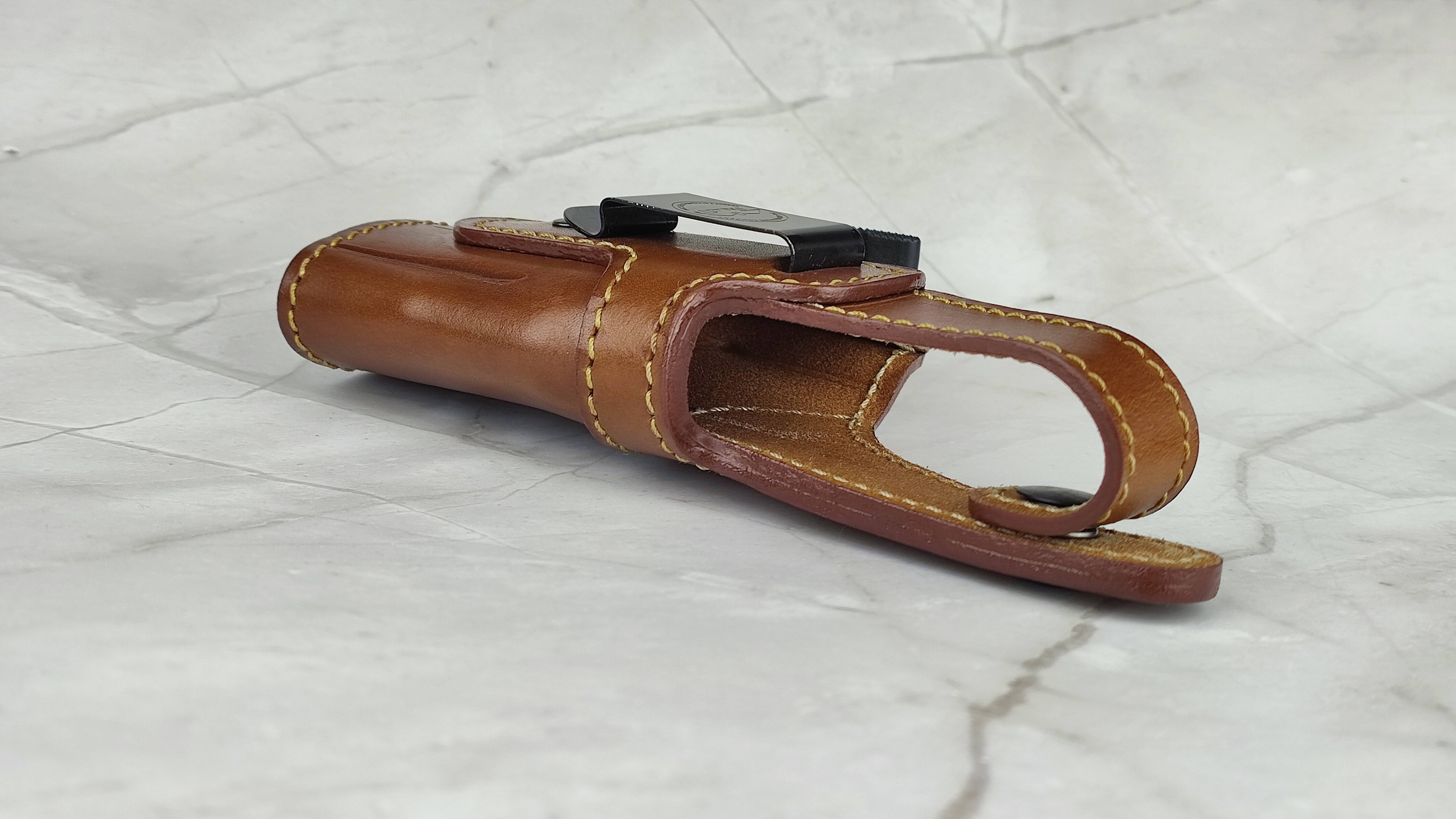
Choosing the right holster is a decision that carries as much weight as selecting the firearm itself. While modern materials like Kydex and various polymers have flooded the market in recent years, leather remains the gold standard for many enthusiasts. There is a specific blend of tradition, comfort, and aesthetic appeal that only high-quality animal hide can provide. Finding the one that balances security, accessibility, and longevity requires a deep understanding of the material and the specific needs of your daily carry routine.
Prioritizing Retention and Safety
Safety should be the non-negotiable foundation of any holster choice. A high-quality leather holster must provide adequate retention, ensuring that the firearm stays securely in place during physical activity while still allowing for a smooth draw. Many modern leather holsters achieve this through wet-molding. This process involves pressing the damp leather around a mold of the specific firearm model, creating a glove-like fit. When you slide your handgun into a properly molded leather holster, you should feel a slight tension that holds it firm without the need for mechanical snaps or straps.
If you prefer an extra layer of security, you might consider a holster with a thumb break or a retention strap. These are particularly useful for OWB or outside the waistband carry where the firearm is more exposed to the environment. However, ensure that the strap is reinforced so it does not lose its shape and fall into the trigger guard. A common critique of old or low-quality leather holsters is that the material can become soft and floppy over time. This is a serious safety hazard. You must ensure that the mouth of the holster is reinforced, usually with an extra layer of leather or a metal insert, so that it remains open for easy one-handed re-holstering.
Comfort and Concealability Factors
One of the greatest advantages of leather is its comfort. Unlike hard plastics, leather is an organic material that eventually warms up to your body temperature and flexes slightly as you move. This makes it an ideal choice for IWB or inside the waistband carry, where the holster is pressed directly against your skin or undergarments. As you wear a leather holster, it undergoes a break-in period where it conforms to the curve of your hip or the small of your back. This custom fit distributes the weight of the firearm more evenly, reducing hot spots and fatigue during long days of carry.
Concealability is determined by the “cant” and the “ride height” of the holster. A forward tilt, often called the FBI cant, helps hide the grip of the gun against your torso, which is especially helpful for larger frames. Ride height refers to how high the gun sits in relation to your belt line. Leather holsters often offer a variety of mounting options, from traditional belt loops to discrete metal clips. When choosing, consider your typical wardrobe. A leather holster that sits too high might tip outward away from your body, while one that sits too low might make it difficult to get a full firing grip during the draw.
Making the Final Decision
Choosing the right leather holster is ultimately a personal journey that combines practical requirements with individual taste. It is an investment in your safety and your daily comfort. A cheap, mass-produced holster may save you money in the short term, but a handcrafted leather piece will often last a lifetime and even become an heirloom. Whether you are carrying a classic revolver or a modern semi-automatic, the right leather holster provides a silent, reliable partnership that enhances your confidence as a responsible owner.
The relationship between a person and their holster is one of constant interaction. As you move through your day, you should almost forget the holster is there, yet have total confidence that it will perform perfectly if called upon. By focusing on high-quality materials, proper molding, and robust construction, you ensure that your gear is as reliable as your training. Taking the time to select the right leather holster is the final step in completing a professional and effective carry setup.



More Stories
Kids Bed: How to Choose the Perfect Bed for Growing Children
Facial Steamer Benefits: How Steam Can Complement Your Skincare Routine
How to Choose a Bluetooth Speaker With the Best Sound Quality